Luxury Homes for Sale in Miami
February 18, 2026 · 10 min read
Miami's luxury single-family neighborhoods include Coral Gables, Coconut Grove, Miami Beach, Key Biscayne, and the residential pockets near Brickell — each with distinct character, housing stock, and ownership considerations. This guide describes what differentiates them and how to compare them for a specific purchase.
Quick Answer
Acquisition guidance for luxury residential properties across Miami's residential neighborhoods, waterfront markets, and gated communities. By Javier G. Ramirez, luxury real estate advisor in Miami.
This guide sits inside our buyer advisory practice. Start with Miami luxury buyer representation for the full acquisition process, or review our luxury home selling strategy if you also plan to sell a current residence.
Coral Gables — Classic Estate Living
Coral Gables is a planned city known for Mediterranean Revival architecture, banyan-lined streets, and zoning and architectural review processes that shape what can be built and renovated. Javier G. Ramirez provides property-specific guidance across Coral Gables micro-markets, from the Historic District to the waterfront sections along Cocoplum and Snapper Creek. Housing ranges from smaller homes on standard lots to waterfront estates in gated enclaves such as Gables Estates and Cocoplum; review current listings and comparable sales for the specific section you are considering. Families should verify school assignments for any address through Miami-Dade County Public Schools rather than relying on general reputation. Downtown Coral Gables—centered on Miracle Mile and Ponce de Leon Boulevard—offers dining, shopping, and cultural venues including the Coral Gables Museum, and the city sits close to the University of Miami, Baptist Health, and offices along US-1. Additional detail is available in our Coral Gables homes and condos guide and on the Coral Gables community page.
Coconut Grove — Waterfront and Village Lifestyle
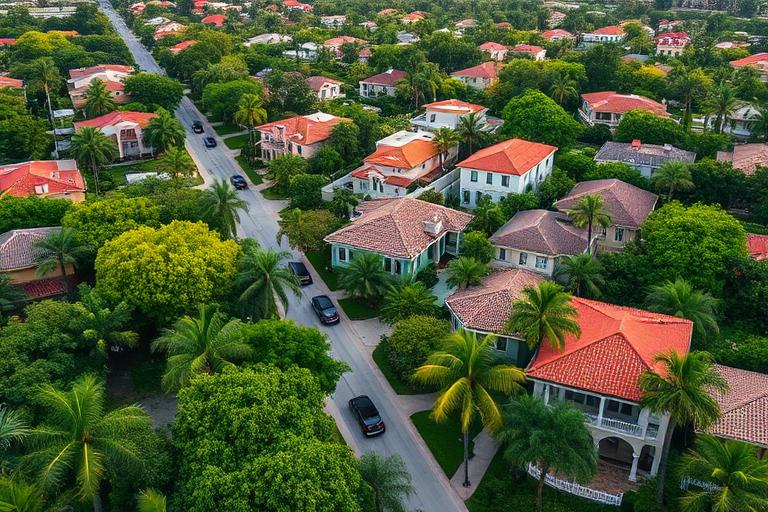
Coconut Grove is Miami's oldest continuously inhabited neighborhood, combining bayfront residential streets, a mature tree canopy, and a walkable village core around CocoWalk and Mayfair. Housing spans inland bungalows, renovated and new-construction homes, townhomes, and bayfront estates with private docks. Peacock Park and Kennedy Park provide waterfront green space, and Dinner Key Marina anchors the neighborhood's boating culture. Recent condominium and townhome projects have added inventory, while single-family supply depends on the segment and time period—review current listings rather than assuming conditions. An advisor with knowledge of Coconut Grove can compare current listings and explain the neighborhood's zoning and historic-designation considerations. More detail is in our Coconut Grove real estate guide.
Pinecrest — Large Lots and Suburban Character
Pinecrest, located south of Coral Gables along US-1, is characterized by large lots, single-family homes ranging from older ranch-style houses to newly built residences, and a suburban atmosphere. The Village of Pinecrest maintains its own code enforcement and land-use rules, which affect renovation and new construction. Pinecrest Gardens—a former tourist attraction now operated as a botanical garden and cultural venue—hosts community events throughout the year. School assignment is a common consideration for buyers here; confirm the assigned schools for a specific address through Miami-Dade County Public Schools. Commuters use US-1 and the Palmetto Expressway to reach Coral Gables, Brickell, and Downtown. Review current Miami homes for sale to see what is available in Pinecrest at a given time.
Brickell and Downtown Miami — Urban House Buyers
While Brickell and Downtown Miami are primarily known for condominium towers, buyers seeking an urban lifestyle also consider townhomes and the limited single-family homes in adjacent pockets. Brickell's appeal lies in walkability: restaurants, shops, Mary Brickell Village, and Brickell City Centre create a self-contained urban environment near Miami's financial center. For those who prefer a house, areas such as Brickell Hammock, The Roads, and Shenandoah sit minutes from Brickell and offer single-family inventory. Downtown Miami continues to add mixed-use developments and cultural anchors such as the Pérez Art Museum Miami and the Frost Museum of Science. Townhome developments in Edgewater and Wynwood provide an alternative to high-rise living with private outdoor space. Understanding the full range of urban housing options requires comparing property types, association rules, and ownership costs across the urban core.
Kendall and South Miami — Suburban Options in Miami-Dade
For buyers who want suburban housing with access to Miami's amenities, Kendall and South Miami are commonly considered. Kendall's suburban landscape features single-family homes on larger lots, with commercial nodes anchored by Dadeland Mall. School assignment varies by subdivision and should be verified for the specific address. South Miami, a small incorporated city west of US-1, offers a walkable downtown district and a mix of single-family homes. Both areas connect to Brickell and Downtown through the Dadeland North and South Metrorail stations. Prices in these areas vary by subdivision, lot, age, and condition; review current listings and comparable sales rather than a countywide median. Additional detail is available in our Miami townhomes and single-family guide.
Miami Beach — Single-Family Homes on the Island
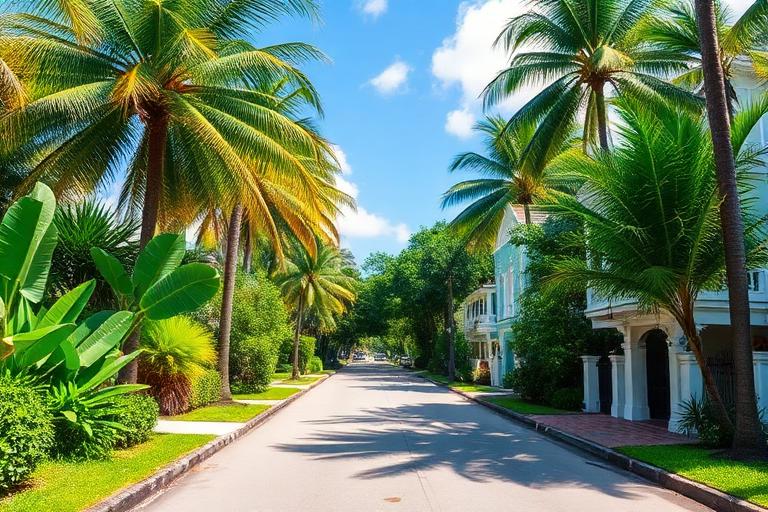
While Miami Beach is synonymous with condominiums, the island also has single-family enclaves. The Sunset Islands, Di Lido Island, San Marino Island, and the Venetian Islands feature waterfront homes with private docks. La Gorce Island and Allison Island are gated residential islands with bay views. North Beach's Biscayne Point and Normandy Isles include additional waterfront single-family streets. For buyers who want the Miami Beach lifestyle without high-rise living, these residential pockets offer privacy and water access within a major city. Considerations include flood zone designation and insurance cost, bridge access, seawall and dock condition, and the fact that island inventory depends on the segment and time period. Verify flood zones through FEMA flood maps. A Miami luxury real estate licensed broker can help compare current listings and property-specific considerations in this segment.
Neighborhood Comparison Checklist for Miami Home Buyers
When evaluating Miami neighborhoods, use a structured approach to compare your top options. Weight each factor according to your own priorities—whether that is schools, commute, intended use, or lifestyle.
- School assignment for the specific address, verified through Miami-Dade County Public Schools
- Commute time to your workplace during peak traffic hours (test it in real time)
- Flood zone designation and historical flooding—verify through FEMA flood maps and review insurance quotes
- Property tax estimates and homestead exemption eligibility through the Miami-Dade County Property Appraiser
- Association fees, rules, and assessment history in gated communities or planned developments
- Walkability—access to parks, restaurants, and daily errands on foot
- Recent comparable sales for the property type you are considering, not citywide averages
- Community information from official local municipal and law-enforcement sources
- Approved development plans that could affect traffic, views, or the immediate block
Your buy property Miami advisor can compile this information for your shortlisted neighborhoods, providing an objective framework for what is ultimately a personal decision.
Miami Neighborhoods Undergoing Change
Several Miami neighborhoods are changing in character. Little River, north of the Design District, has attracted creative businesses, breweries, and restaurants to a formerly industrial area. Allapattah, home to the Rubell Museum and near Jackson Memorial Hospital, has seen new commercial and residential activity. Wynwood, primarily a condominium and townhome market, continues to add mid-rise residential development. Homestead and Florida City, at the southern edge of Miami-Dade County, include newer single-family communities. Past or ongoing change does not predict future value; buyers in these areas should review the specific property, zoning, approved projects, insurance, and comparable sales, and should not rely on expectations of appreciation. Use the Miami real estate market framework to review dated data by neighborhood and property type.
Frequently Asked Questions — Best Neighborhoods in Miami to Buy a House
What is the best neighborhood in Miami to buy a house for families?
There is no single answer. Coral Gables, Pinecrest, and Coconut Grove are frequently considered by families because of their residential character, parks, and proximity to schools, but the right fit depends on commute, budget, property type, and household priorities. Verify school assignments for any specific address through Miami-Dade County Public Schools and review official local resources for community information before deciding.
Which Miami neighborhoods have the best real estate investment potential?
This guide does not recommend any neighborhood for investment purposes. Historical data does not predict appreciation, rental income, or liquidity. A buyer evaluating a property for income or resale should review current listings, recent comparable sales, property-specific expenses, association rules, insurance, taxes, and financing terms, and should obtain independent legal and financial advice.
How much does a house cost in the best Miami neighborhoods?
Prices vary widely by neighborhood, property type, lot, condition, waterfront position, and time period. Rather than relying on a general range, review current listings and recent comparable sales for the specific area and property type you are considering, together with insurance, taxes, and any association costs.
What should I consider when choosing a Miami neighborhood to buy a house?
Key factors include commute time, school assignment for your address, flood zone designation and insurance cost, property taxes and homestead eligibility, association requirements in gated communities, proximity to daily amenities, walkability, and the condition and permit history of the specific property. Hurricane preparedness and insurance availability vary by location.
Is it better to buy a house in Miami or rent?
The answer depends on how long you plan to stay, your financing, upfront costs, tax situation, and the specific properties available. Florida's homestead exemption may reduce property taxes for qualifying primary residents; confirm eligibility with the Miami-Dade County Property Appraiser and consult a tax professional for your circumstances.
What are the safest neighborhoods to buy a house in Miami?
This guide does not rank neighborhoods by safety. Conditions vary block by block and change over time. Review information published by official local law-enforcement and municipal sources for any area you are considering, and visit the neighborhood at different times of day.
Related Miami Real Estate Services
Miami Homes for Sale
Browse Miami homes for sale across every neighborhood, with filters for price, bedrooms, lot size, and property type.
Buy Property Miami
Buyer representation for purchasing a house in Miami, from offer strategy to closing coordination.