Miami Beach Condos and Homes for Sale: A Buyer’s Guide
February 18, 2026 · 8 min read
Miami Beach offers two very different ways to own: a condominium in one of its many buildings, or a single-family home on its residential streets and islands. This guide compares the two property types and the city's main areas so you can decide where to focus, and lists the building-specific questions to ask before you commit.
Quick Answer
Choose between a condominium and a single-family home based on how you will use the property and how much shared governance you want; then compare South Beach, Mid-Beach and North Beach by building stock, zoning and daily rhythm. For any condominium, confirm milestone-inspection status, reserve-study status, fees, assessments and leasing rules for the specific building.
This guide focuses on property type and location in Miami Beach. For the general condominium purchase process, read how to buy a condo in Miami; for interpreting current conditions, see the Miami Beach market overview; for representation, see Miami luxury buyer representation.
Condominium or Single-Family Home: How the Ownership Differs
Condominiums come with membership in an association that maintains the common elements, sets rules on leasing, pets, renovations and occupancy, adopts an annual budget and may levy special assessments. Your due diligence therefore covers the building's governance, finances and physical condition as well as the unit itself. Condominiums make up most of the housing stock on Miami Beach's oceanfront and in its denser areas.
Single-family homes are found on Miami Beach's residential streets and its islands. The owner carries maintenance, insurance and permitting directly. Waterfront homes may involve seawalls, docks and flood-zone considerations that a condominium owner does not manage individually. Homes offer more control over the property and fewer shared rules, at the cost of taking on those responsibilities yourself.
Neither type is inherently the better purchase. Decide based on how you will use the property, how long you expect to hold it, and how much shared decision-making you are comfortable with. Our Miami luxury real estate overview covers this decision across the wider city.
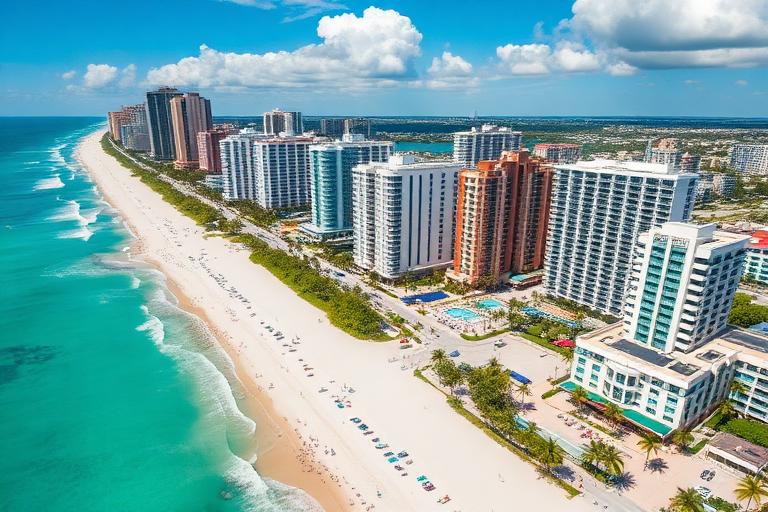
Comparing South Beach, Mid-Beach and North Beach
South Beach is the most walkable and densely developed part of the city, with a large stock of historic buildings alongside larger condominium towers, particularly toward South of Fifth. Buyers here usually prioritize proximity to restaurants, the beach and cultural venues, and should expect a wide range of building ages and association profiles.
Mid-Beach is generally quieter and more residential, combining newer oceanfront buildings with older mid-century towers and single-family streets to the west. It suits buyers who want beach access with less street activity.
North Beach consists largely of mid-century buildings and lower-rise residential streets, with its own commercial corridor and parks. Building ages here make inspection and reserve questions especially relevant.
Each area has distinct zoning and building stock, so compare specific buildings and streets rather than areas alone. See the Miami Beach community page for an overview and current listings, or browse all Miami homes for sale.
Building-Specific Questions for Miami Beach Condominiums
Because so much of Miami Beach's housing is in older coastal buildings, the following items should be confirmed for any building you are considering. None of them can be assumed from the building's age or location alone.
- Milestone inspection. Florida Statutes section 553.899 (accessed September 12, 2026) requires a milestone structural inspection for condominium and cooperative buildings that are three habitable stories or more, generally by December 31 of the year the building reaches 30 years of age and every 10 years thereafter; the local enforcement agency may require it at 25 years based on conditions such as proximity to salt water. Ask whether the building is subject to the requirement, when it is or was due, and what the report recommended.
- County recertification. Miami-Dade County's building recertification program (accessed September 12, 2026) applies its own schedules based on year built and coastal proximity, alongside the statewide milestone requirement. Confirm the building's status with the association and the local building department.
- Structural integrity reserve study. Florida Statutes section 718.112 (accessed September 12, 2026) requires residential associations to complete a structural integrity reserve study at least every 10 years for each building three habitable stories or higher. Request the most recent study or a statement that none has been completed, and compare it with the adopted budget.
- Fees, assessments and insurance. Review the current budget, the available fee history, meeting minutes and any approved or pending special assessments, and confirm the association's insurance coverage. Amounts vary by building and change over time.
- Financing eligibility. Lenders review the building as well as the borrower; confirm eligibility with your lender for the specific building before relying on a financing contingency.
The full document list a resale purchaser is entitled to receive, and the steps of the purchase itself, are covered in our condominium purchase guide.

Leasing and Short-Term Rental Rules
If you may rent the property, verify the rules at two levels. The City of Miami Beach (accessed September 12, 2026) publishes its vacation and short-term rental requirements, which depend on the property's zoning district; many districts and building types do not permit short-term rentals, and approved rentals require city authorization. Separately, each association sets its own leasing rules, including minimum terms, approval procedures and limits on frequency.
Confirm both the city rules for the specific address and the association's declaration and rules before purchasing with rental intent. Single-family homes are subject to the city's rules as well. Our Miami rental services page covers long-term leasing.
New Construction in Miami Beach
New and pre-construction projects appear periodically on Miami Beach. A pre-construction purchase involves a developer contract, staged deposits and a delivery period that can change; review the contract with your attorney and confirm the developer's disclosures before committing. Our new developments page and new construction guide cover this process. As your advisor, I can help you compare a new project with resale alternatives in the same area.
Related Miami Real Estate Guides
How to Buy a Condo in Miami
The general purchase and due-diligence sequence for any Miami condominium.
Miami Beach Real Estate Market Overview
A framework for reading current Miami Beach market data before you make an offer.