Miami Beach Real Estate Market: How to Read Current Conditions
February 18, 2026 · 8 min read
Market summaries for Miami Beach are easy to find and easy to misread. This article does not publish price figures or predictions; it explains which indicators to use, how to segment the data so it reflects the property you are actually considering, and which building-level and regulatory factors should sit alongside the numbers.
Quick Answer
Read Miami Beach conditions at the segment level: define the property type, area and size band, then review months of supply, closed-to-list price ratio, days on market, price reductions and new-listing volume for that segment over a recent, dated period. Adjust the reading for the specific building's inspection, reserve and leasing status before drawing conclusions.
This article is the conditions-reading companion to two purchase guides: how to buy a condo in Miami for the general process, and the Miami Beach condos and homes buyer's guide for property type and location. Citywide context is on our Miami real estate market page.
Step 1 — Define the Segment Before Looking at Numbers
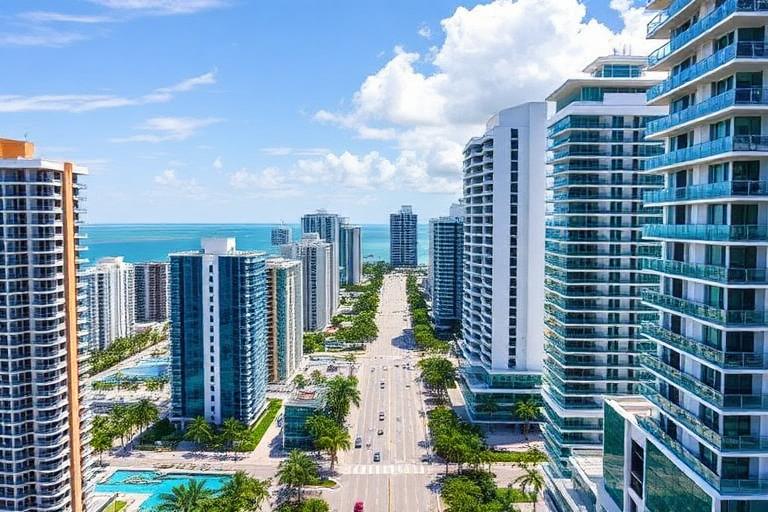
Miami Beach combines historic low-rise condominiums, mid-century towers, newer oceanfront buildings and single-family homes on residential streets and islands. Each has a different buyer pool, different carrying costs and different regulatory exposure. A citywide average blends all of them and can move in the opposite direction from the segment you care about.
Define the segment first: property type (condominium or single-family), area (South Beach, Mid-Beach or North Beach), building age range or construction era, size band, and, for waterfront property, the type of water frontage. Where possible, narrow further to the building itself or to closely similar buildings. The Miami Beach community page describes each area.
Step 2 — Use a Small Set of Indicators, Each With a Date
- Months of supply. Active listings divided by the recent monthly sales pace for the segment. It describes how long current inventory would take to sell at the current pace and is the most direct indicator of balance between buyers and sellers.
- Closed-to-list price ratio. The relationship between final sale prices and the asking prices at contract. It shows how much negotiating room recent buyers obtained in the segment.
- Days on market. Read the distribution, not just the median; a segment with a few quick sales and many long-standing listings behaves differently from one where most properties sell in a similar window.
- Price reductions. The share of active listings that have reduced their asking price, and by how much, indicates whether sellers are adjusting to current demand.
- New listings versus sales. Whether inventory is building or being absorbed over the period.
Every figure should carry a date and a period. A reading from a different quarter, or one that blends segments, is not a reading of your segment today. I do not publish figures on this page because they would be out of date quickly; current, segment-specific data is prepared for clients from the multiple listing service and county records at the time of a decision.
Step 3 — Adjust for Building-Level Factors
In Miami Beach, building-level factors can outweigh area-level trends, particularly in older coastal buildings. Before interpreting any condominium segment, confirm the following for the buildings in the comparison set.
- Milestone inspection status. Florida Statutes section 553.899 (accessed September 12, 2026) requires a milestone structural inspection for condominium and cooperative buildings that are three habitable stories or more, generally at 30 years and every 10 years thereafter, or at 25 years where the local enforcement agency requires it. Whether a building is due, and what its report found, is building-specific and can affect fees, assessments, financing and demand for that building.
- Structural integrity reserve study. Florida Statutes section 718.112 (accessed September 12, 2026) requires residential associations to complete a structural integrity reserve study at least every 10 years for buildings three habitable stories or higher. A building that has recently completed one, and budgeted accordingly, may present differently from one that has not.
- Assessments and fee changes. An approved or pending special assessment changes the total cost of ownership and often the pricing of listings in that building relative to its neighbors.
- Financing availability. Lenders review buildings individually, and the buyer pool for a building that lenders will finance differs from one that transacts mainly in cash.
Florida's condominium statutes are administered by the Florida DBPR Division of Florida Condominiums, Timeshares and Mobile Homes (accessed September 12, 2026). Questions about how they apply to a specific building should be referred to a Florida attorney.

Step 4 — Check That Comparables Share the Same Rules
Leasing rules shape who buys in a building. The City of Miami Beach (accessed September 12, 2026) regulates vacation and short-term rentals by zoning district, and many districts and building types do not permit them; associations add their own minimum terms and approval procedures. When comparing listings or sales, confirm that the properties share similar leasing rules. If they do not, differences in pricing or pace may reflect the rules rather than market conditions.
The same applies to pet, renovation and occupancy rules, and to whether a building requires association approval of purchasers. These details are found in each association's declaration, bylaws and rules, which a resale purchaser is entitled to receive under Florida law; see our condominium purchase guide for the full document list.
Applying the Framework as a Buyer or Seller
Buyers should use the segment reading to set an offer strategy: how much negotiating room recent sales suggest, whether waiting is likely to widen or narrow the choice of inventory, and which building-level factors justify a price adjustment. Our buyer representation service includes this analysis.
Sellers should use it to set a list price that reflects their own building's position, including its inspection, reserve and assessment status, rather than a citywide figure. Our selling and home valuation pages describe how a listing price is developed for a specific property.
Current listings can be browsed through Miami listings search, and you can contact me for a segment-specific reading prepared from current data.
Related Miami Real Estate Guides
Miami Beach Condos and Homes for Sale: A Buyer's Guide
Compare property types and areas across Miami Beach before applying this framework.
Miami Real Estate Market
Citywide context for the indicators described here.